

Church facilities are more than just buildings – they are tools for ministry. A well-designed, future-ready facility can remove barriers to growth, create welcoming environments for new visitors, and enhance the overall worship experience. But with rapid changes in technology, societal shifts, and ministry models, how can you ensure your church’s facilities remain relevant and effective for years to come?
The answer is future-proofing – making strategic, forward-thinking investments that will support long-term growth while maximizing stewardship. Here are five critical areas to consider when future-proofing your church facilities.
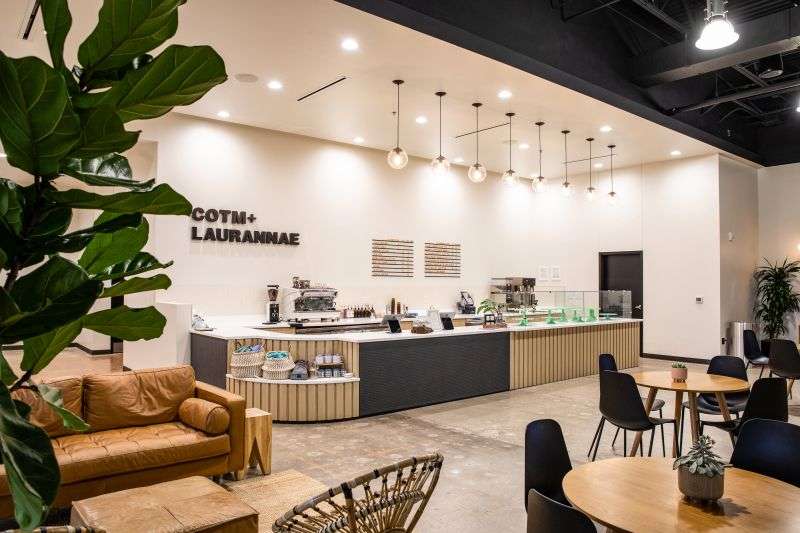
- Flexible and Scalable Design
One of the biggest mistakes churches make when expanding their facilities is designing for their current needs rather than anticipating future growth. You don’t want to build for the church you have now, you want to build for the church you’ll have in five years, and plan for the church you’ll have in ten. A scalable design ensures that your church can adapt to changing attendance numbers and ministry opportunities without undergoing costly renovations every few years. If your long-term goals seem like they’re out of reach, choose to work with a design-build partner that will work with you to create a master plan with phased projects to break down your vision into achievable installments.
Key considerations:
- Modular construction: Movable walls to create classrooms, multi-purpose rooms, and stackable seating allow spaces to be reconfigured for various uses. This is a great way to maximize your current space and strategically make small changes to accommodate growth.
- Flexible worship spaces: If the footprint of your facility is small, or if you’re experiencing rapid growth, swapping out traditional pews or fixed seating with stackable seating is the best way to solve multiple problems at once. Your seating can be removed during the week for other activities as needed, and using stackable seating will increase your room occupancy by upwards of 20%.
- Multi-campus potential: If your church is growing rapidly, consider investing in a facility model that supports satellite campuses or micro-locations may be a more sustainable long-term approach, while also allowing your community reach to expand.
- Technology-Integrated Worship Spaces
In the post-Covid years, technology is no longer an optional add-on – it’s an essential part of how people engage with worship. A future-proof church facility should be designed with technology in mind, ensuring seamless integration now and easy upgrades later. There are many ways you can accomplish this without compromising your church’s ministry model.
Key considerations:
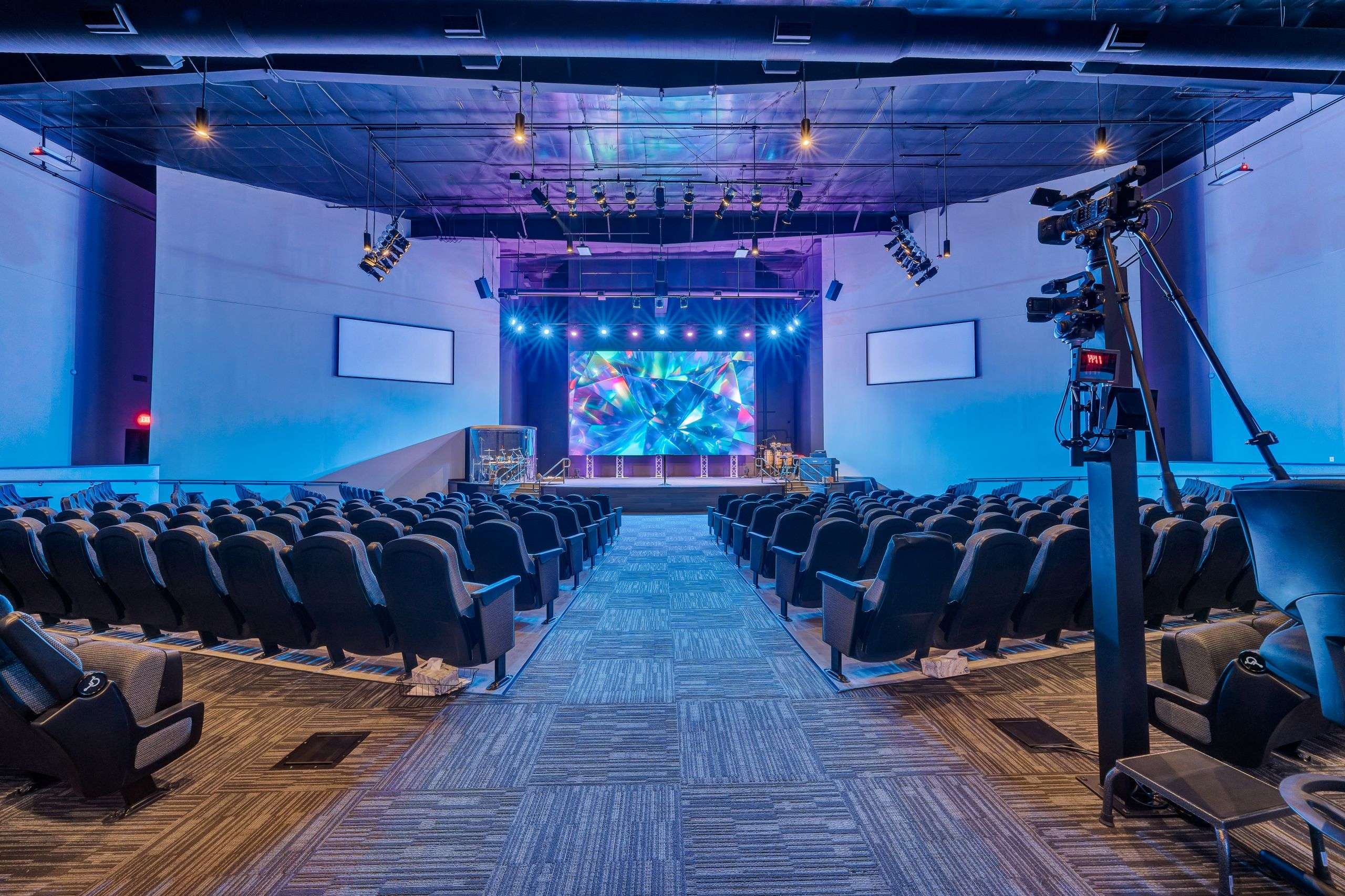
- Advanced audio-visual systems: High-quality sound and video enhance both in-person and online worship experiences. Consider investing in LED walls, high-definition cameras, and professional-grade sound systems.
- Hybrid-friendly infrastructure: As online church attendance continues to grow, your facility should be optimized for live streaming, including dedicated camera positions, proper lighting, and strong internet connectivity. When you’re considering a remodel or expansion, the technology element should be considered early as you work with your design-build partner to assess the space and optimize layout.
- Digital signage and wayfinding: Interactive screens can provide real-time announcements, event schedules, and directions, creating a more engaging and efficient experience for guests. Even something as straightforward as a dedicated television in the gathering space to communicate weekly announcements will keep members and guests informed of events and opportunities to find their community within your church.
- Sustainable and Cost-Efficient Solutions
Energy-efficient and sustainable facility design isn’t simply good for the environment – it’s a smart financial decision. Rising utility costs can drain church budgets, but sustainable solutions can significantly lower operational expenses while demonstrating good stewardship of resources. Depending on your location, some environmental accommodation might be a requirement. Accounting for these requirements as early as possible with thorough due diligence in the pre-construction process will save time, money, and headache in the long run.
Key considerations:
- Energy-efficient lighting: LED lighting uses up to 75% less energy than traditional bulbs and lasts significantly longer.
- Smart HVAC systems: Automated heating and cooling systems can optimize temperature control and reduce energy waste.
- Building Automation Systems: Automation is becoming a standard feature in our homes with system brands becoming household names that use geofencing technology to regulate thermostats, turn on lights, and set security systems. Building Automation Systems (BAS) – also known as building management systems – perform a similar function, optimizing facility operations across various climates and needs. Whether it’s cooling a church facility, managing heating, or overseeing other essential functions, BAS continuously monitors and adjusts building performance. These systems provide real-time data and control via apps or tablets, enabling facilities teams to manage operations efficiently. BAS can be integrated into new construction projects or seamlessly retrofitted into existing buildings.
- Water conservation: Low flow plumbing fixtures and rainwater collection systems can reduce utility costs and environmental impact. As you are making these selections remember to take fire suppression systems into account to ensure lifesaving fixtures have sufficient water flow.
- Multi-Use Spaces for Ministry and Community Engagement
A church facility that sits empty most of the week holds a lot of potential for community outreach. More churches are embracing a multi-use model, transforming their buildings into community hubs that serve beyond Sunday mornings.
Key considerations:
- Coworking and event space: Providing workspace for entrepreneurs, nonprofits, or community groups can generate revenue while strengthening local relationships.
- Gymnasiums and recreational areas: Fitness classes, sports leagues, and wellness programs can help bring new people into the church while promoting health and fellowship.
- Counseling and support services: Dedicating space for counseling offices, addiction recovery programs, or crisis support can expand your church’s impact on the community.
- Partnerships with local organizations: Renting unused rooms to schools, nonprofits, or businesses can offset facility costs while increasing ministry reach.
- Creating an Intentional Guest Experience
First-time guests often decide within minutes whether they’ll return to your church. Your facility plays a crucial role in making a positive first impression, so future-proofing means designing an environment that is both welcoming and functional.
Key considerations:
- Clear signage and wayfinding: Digital or physical signs should guide guests seamlessly from the parking lot to the worship center. Current generations typically don’t want to ask for directions, providing them with easy, and straightforward, ways of knowing where to go immediately will help them to feel at ease and welcome into your church.
- Comfortable and inviting lobbies: A well-designed lobby with comfortable seating, clear pathways, and welcoming greeters sets the tone for engagement. Consider creating smaller seating pockets throughout your lobby and gathering spaces to encourage places for people to sit and fellowship.
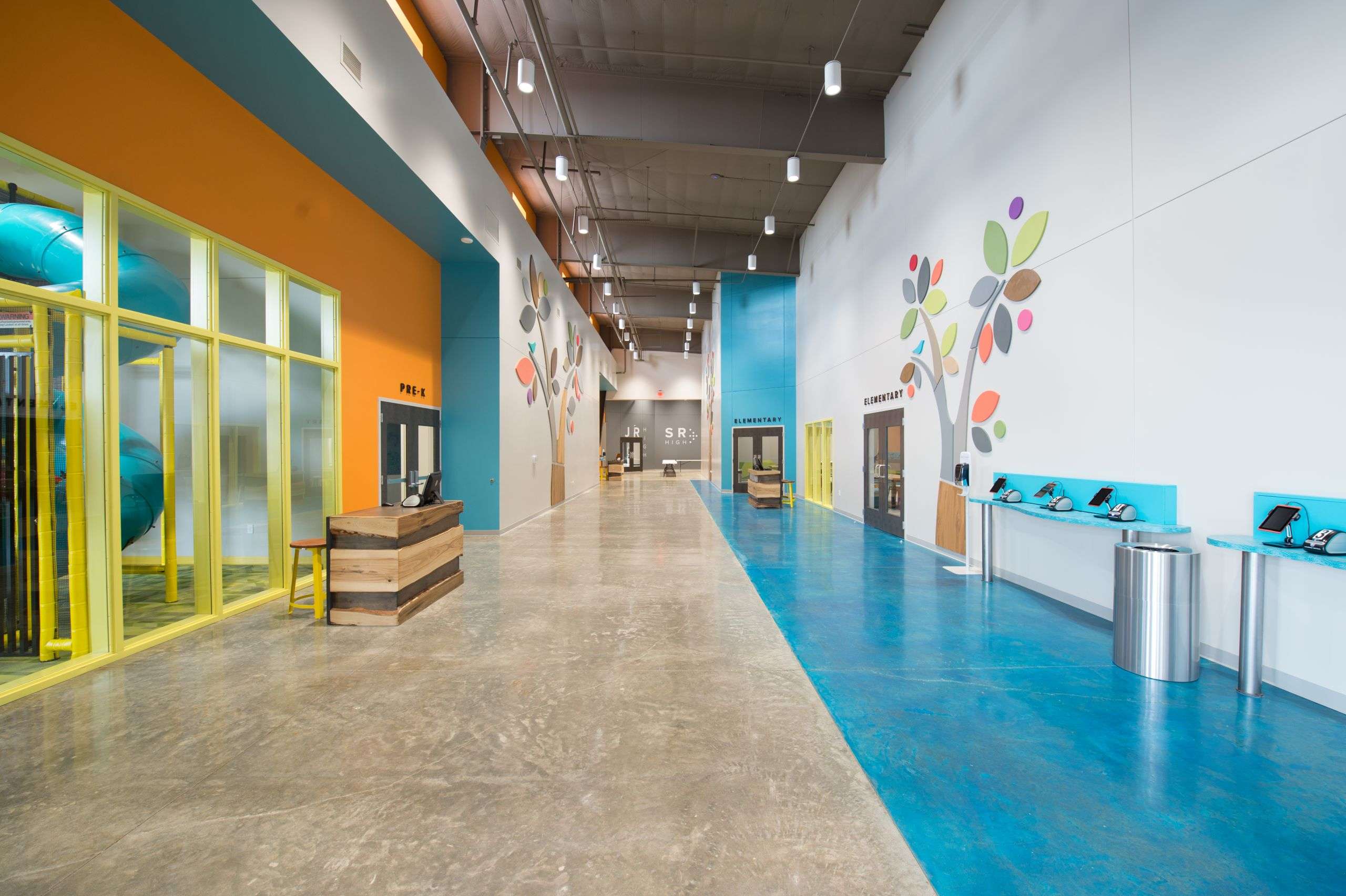
- Family-friendly spaces: Investing in modern, secure children’s ministry areas and nursing rooms reassures parents and encourages young families to stay connected. Single point of entry, check-in systems, and well vetted volunteers are critical to keeping our youngest generation safe.
- Accessibility for all: Ensuring your facility is ADA-compliant isn’t just a good way to be welcoming to your entire community, but it is becoming increasingly required by code compliance. Offering wheelchair-accessible seating, ramps, and assistive listening devices are straightforward ways of being inclusive. Your design-build partner can make informed recommendations on making your facility ADA-compliant based on your needs, your facility, and local zoning.
Maximize the church facility you have now, to future-proof your ministry:
Future-proofing your church facilities isn’t just about keeping up with trends. It’s about making wise, strategic investments that will support ministry growth for years to come. By prioritizing flexible design, integrating technology, adopting sustainable solutions, maximizing space usage, and enhancing the guest experience, your church can create a facility that truly serves its mission.
Are you considering a facility upgrade or expansion? What challenges are you facing as you prepare your church for the future? Choosing the right design-build partner to walk out your construction or renovation project can not only make the process easier but also provide peace of mind.
At Churches by Daniels, we are committed to supporting pastors and churches in every stage of their ministry facility journey by answering questions, providing free educational resources, and sharing latest industry insights. Our goal is to help you design, build, and maintain a safe and efficient church facility, allowing you to focus on ministry. Whether you need guidance on future-proofing solutions for your current space or are considering renovation, expansion, or new construction, we’re here to help. We hope you’ll trust Churches by Daniels as your design-build partner for your church facility.
About the Author: Alaina Butler
